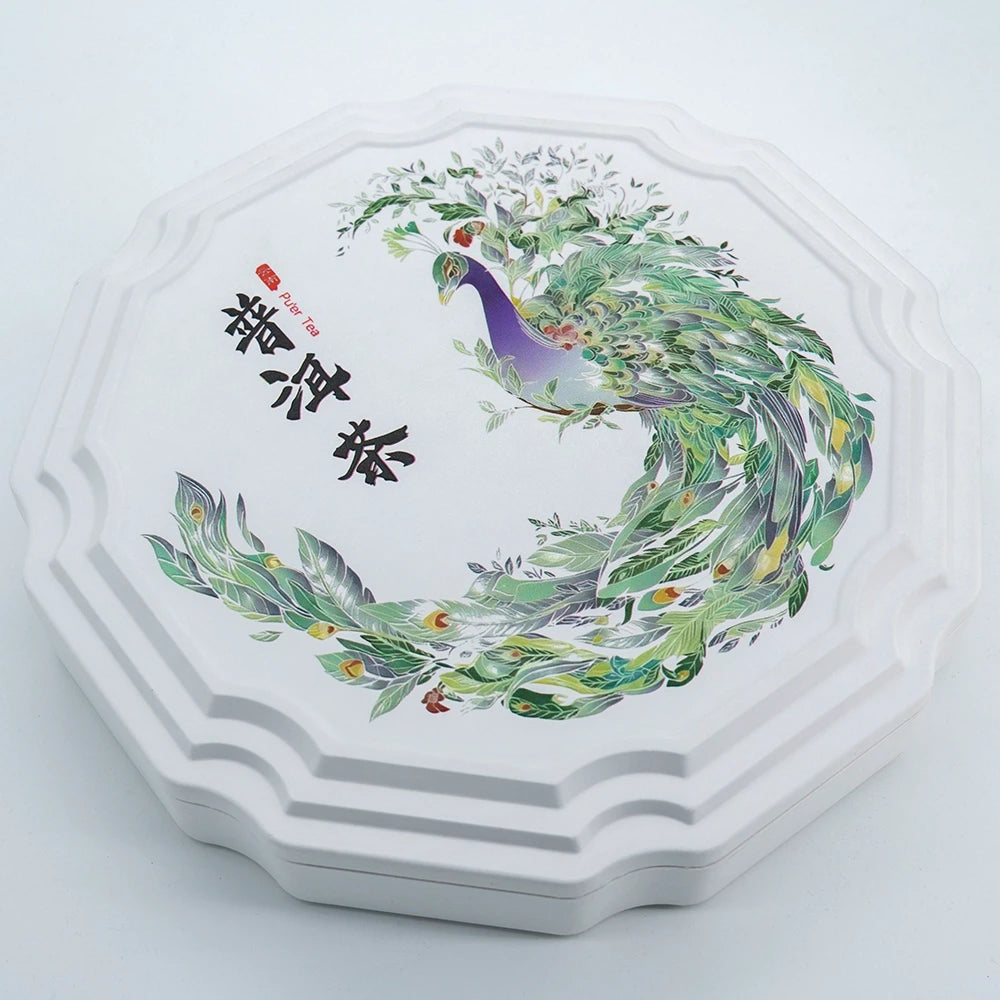
Polygonal Geometry Meets Fiber Precision Engineering
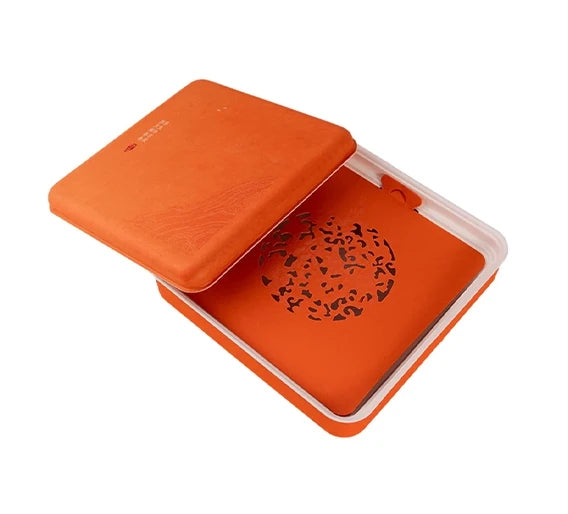
This sustainable tea cake packaging employs a precision-molded polygonal architecture that mirrors the geometric harmony found in traditional ceremonial vessels. The twelve-sided perimeter—each facet measuring 62mm in width—creates a softly angular silhouette that distinguishes premium compressed leaves from mass-market blends while maintaining structural integrity during stacking and transport. White bagasse fibers are wet-pressed at 4.2 MPa to achieve a uniform wall thickness of 3.8mm, generating sufficient rigidity to protect delicate pu-erh cakes from humidity fluctuations without requiring plastic lamination. Interior surfaces showcase the material's inherent texture—a fine mesh pattern resulting from fiber deposition on stainless steel screens—which absorbs residual moisture from fermented leaves during the first 72 hours post-packaging, preventing condensation that could compromise aromatic volatile compounds.
Controlled Breathing Mechanism for Aged Leaf Maturation
The lid-and-base construction of this molded pulp tea cake packaging incorporates a stepped interlock mechanism where the upper component's interior shoulder engages with the lower tray's raised perimeter ridge, creating a 2mm overlap zone that seals out airborne contaminants while allowing controlled gas exchange through microscopic pore channels. This breathing capacity proves essential for aged tea varieties requiring gradual oxidation—laboratory testing confirms the fiber matrix permits 0.18 liters of oxygen transmission per square meter daily, maintaining the enzymatic activity necessary for flavor maturation without exposing leaves to rapid degradation. Peacock feather illustrations rendered through water-soluble botanical pigments encircle the central product descriptor, their iridescent greens and blues achieved via layered mineral oxide application rather than petroleum-based inks, ensuring complete biodegradability within municipal composting streams.
Lifecycle Carbon Reduction Through Agricultural Residue
Transitioning from petroleum-derived canisters to this biodegradable box for tea reduces packaging carbon footprint by 68% across the product lifecycle, as sugarcane bagasse—a post-harvest agricultural residue—requires no virgin timber pulping or chemical bleaching. The molding process consumes 72% less water than comparable paperboard manufacturing, with production wastewater containing only organic solids that biodegrade in standard treatment facilities. Upon disposal, the entire assembly decomposes into humus-enriching compost within 90 days under industrial conditions or 6–8 months in backyard composting bins, leaving zero microplastic residues that could contaminate soil ecosystems. Embossed calligraphy along the polygonal edges adds tactile refinement, each character measuring 14mm in height to ensure legibility while maintaining the minimalist aesthetic that allows the product's natural beauty—both tea and packaging—to communicate quality without excessive ornamentation.
What We Mainly Make?
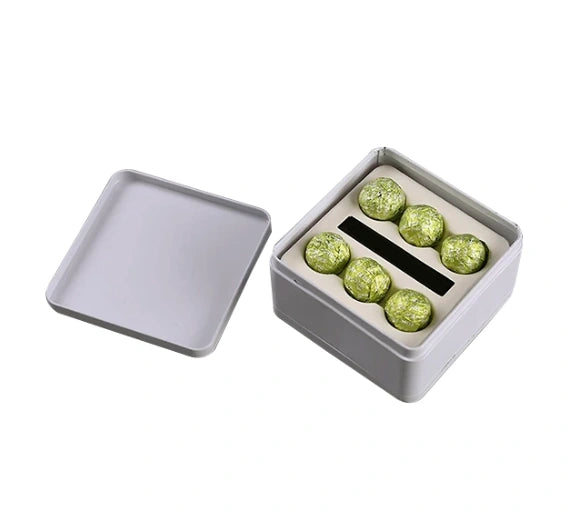
Eco Friendly Food Packaging
Custom structures for chocolates, macarons, dates, and biscuits. Food-grade biodegradable casings and partitions designed for gourmet gift presentation.
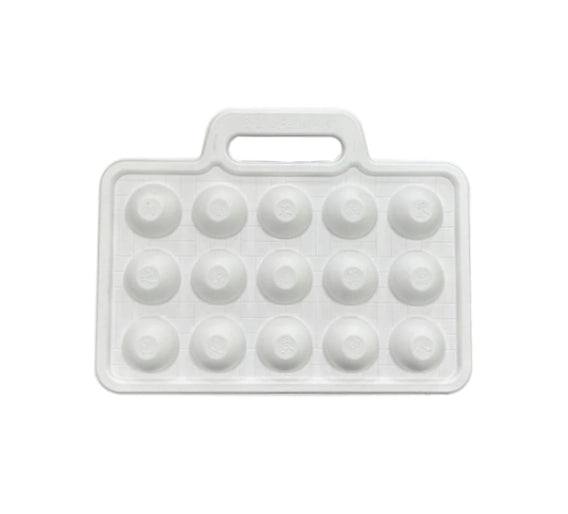
Eco Friendly Coffee Packaging
Premium all-paper canisters and gift set structures. Custom-fit kitting for beans and brewing accessories, blending artisanal craft with eco-conscious materials.
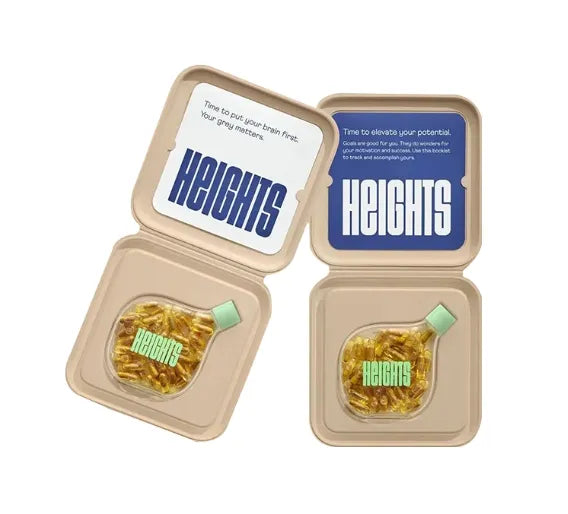
Eco Friendly Supplement Packaging
Reinforced molded pulp boxes and inserts for health kits. Structural kitting for bottles and powders that ensures safety while reflecting a pure, holistic brand.
Eco Friendly Gift Packaging
Premium lid-and-base molded pulp boxes with bespoke pulp inserts. Sophisticated, sustainable kitting designed to deliver a high-end and memorable unboxing experience.
Customizable Process

From Product to Soil in 180 Days

Original product

Surface breakdown begins

Structural fragmentation

Microbial decomposition

Returned to soil
 Public Mould
 Packaging Solutions
 3D Design
 Customized Mould


Round Lid Base Molded Pulp Box For Tea
Round Lid Base Molded Pulp Box For Tea
You May Also Like
Polygonal Geometry Meets Fiber Precision Engineering
This sustainable tea cake packaging employs a precision-molded polygonal architecture that mirrors the geometric harmony found in traditional ceremonial vessels. The twelve-sided perimeter—each facet measuring 62mm in width—creates a softly angular silhouette that distinguishes premium compressed leaves from mass-market blends while maintaining structural integrity during stacking and transport. White bagasse fibers are wet-pressed at 4.2 MPa to achieve a uniform wall thickness of 3.8mm, generating sufficient rigidity to protect delicate pu-erh cakes from humidity fluctuations without requiring plastic lamination. Interior surfaces showcase the material's inherent texture—a fine mesh pattern resulting from fiber deposition on stainless steel screens—which absorbs residual moisture from fermented leaves during the first 72 hours post-packaging, preventing condensation that could compromise aromatic volatile compounds.
Controlled Breathing Mechanism for Aged Leaf Maturation
The lid-and-base construction of this molded pulp tea cake packaging incorporates a stepped interlock mechanism where the upper component's interior shoulder engages with the lower tray's raised perimeter ridge, creating a 2mm overlap zone that seals out airborne contaminants while allowing controlled gas exchange through microscopic pore channels. This breathing capacity proves essential for aged tea varieties requiring gradual oxidation—laboratory testing confirms the fiber matrix permits 0.18 liters of oxygen transmission per square meter daily, maintaining the enzymatic activity necessary for flavor maturation without exposing leaves to rapid degradation. Peacock feather illustrations rendered through water-soluble botanical pigments encircle the central product descriptor, their iridescent greens and blues achieved via layered mineral oxide application rather than petroleum-based inks, ensuring complete biodegradability within municipal composting streams.
Lifecycle Carbon Reduction Through Agricultural Residue
Transitioning from petroleum-derived canisters to this biodegradable box for tea reduces packaging carbon footprint by 68% across the product lifecycle, as sugarcane bagasse—a post-harvest agricultural residue—requires no virgin timber pulping or chemical bleaching. The molding process consumes 72% less water than comparable paperboard manufacturing, with production wastewater containing only organic solids that biodegrade in standard treatment facilities. Upon disposal, the entire assembly decomposes into humus-enriching compost within 90 days under industrial conditions or 6–8 months in backyard composting bins, leaving zero microplastic residues that could contaminate soil ecosystems. Embossed calligraphy along the polygonal edges adds tactile refinement, each character measuring 14mm in height to ensure legibility while maintaining the minimalist aesthetic that allows the product's natural beauty—both tea and packaging—to communicate quality without excessive ornamentation.
What We Mainly Make?
Eco Friendly Food Packaging
Custom structures for chocolates, macarons, dates, and biscuits. Food-grade biodegradable casings and partitions designed for gourmet gift presentation.
Eco Friendly Coffee Packaging
Premium all-paper canisters and gift set structures. Custom-fit kitting for beans and brewing accessories, blending artisanal craft with eco-conscious materials.
Eco Friendly Supplement Packaging
Reinforced molded pulp boxes and inserts for health kits. Structural kitting for bottles and powders that ensures safety while reflecting a pure, holistic brand.
Eco Friendly Gift Packaging
Premium lid-and-base molded pulp boxes with bespoke pulp inserts. Sophisticated, sustainable kitting designed to deliver a high-end and memorable unboxing experience.
Customizable Process
From Product to Soil in 180 Days
Original product
Surface breakdown begins
Structural fragmentation
Microbial decomposition
Returned to soil