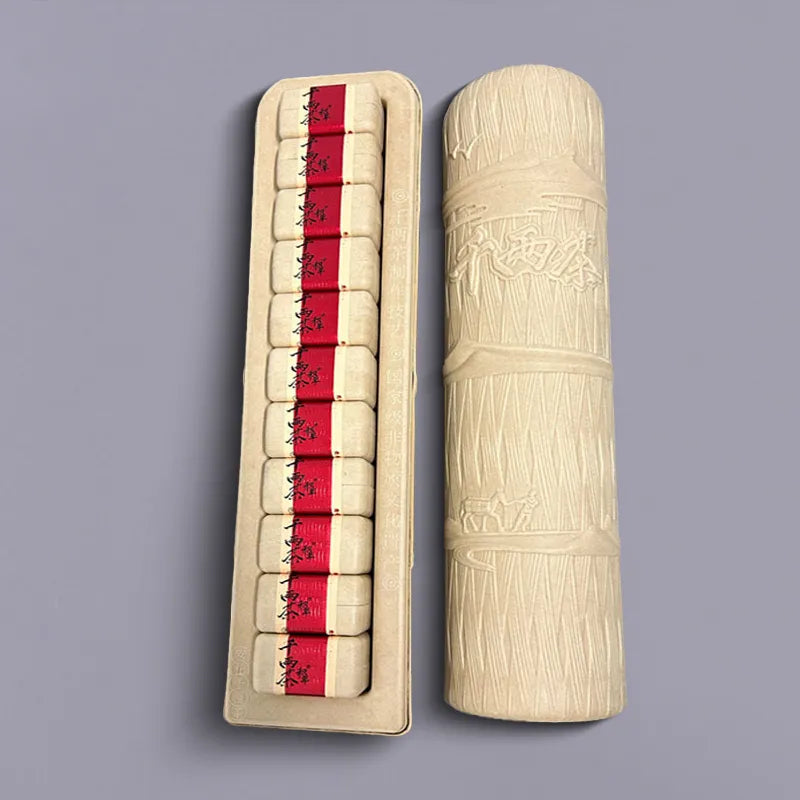
The wet pressing manufacturing process saturates pulp fibers with higher moisture content during molding, enabling intricate detail capture and creating smoother surface finishes than standard methods. This approach produces walls thick enough to provide superior insulation properties that protect delicate tea leaves from temperature fluctuations and humidity exposure during storage and gifting occasions. The material's natural breathability prevents condensation accumulation that could compromise flavor profiles or introduce mustiness, while the dense fiber matrix blocks light penetration that degrades chlorophyll and aromatic compounds. Individual compartments keep different tea varieties separated, preventing flavor cross-contamination between jasmine, oolong, and pu-erh selections.

What We Mainly Make?

Molded Pulp Packaging
Molded pulp packaging is a sustainable packaging solution for various industries, including food, healthcare, cosmetics, household products, and electronics.

Molded Pulp Inserts
Molded pulp inserts find versatile applications across industries, including electronics, glass products, food, medical devices, and compliance with regulations.

Molded Pulp Supplies
Mold pulp products can be applied to various daily-use items, including tableware, personal care items, household goods, toys, packaging materials, stationery, and home decor.

Molded Pulp Accessories
Depending on the product's purpose, molded pulp accessories can include lids, handles, dividers, and more.
Customizable Process

From Product to Soil in 180 Days

Original product

Surface breakdown begins

Structural fragmentation

Microbial decomposition

Returned to soil
 Public Mould
 Packaging Solutions
 3D Design
 Customized Mould


Embossed Tea Gift Box
Embossed Tea Gift Box
You May Also Like
The wet pressing manufacturing process saturates pulp fibers with higher moisture content during molding, enabling intricate detail capture and creating smoother surface finishes than standard methods. This approach produces walls thick enough to provide superior insulation properties that protect delicate tea leaves from temperature fluctuations and humidity exposure during storage and gifting occasions. The material's natural breathability prevents condensation accumulation that could compromise flavor profiles or introduce mustiness, while the dense fiber matrix blocks light penetration that degrades chlorophyll and aromatic compounds. Individual compartments keep different tea varieties separated, preventing flavor cross-contamination between jasmine, oolong, and pu-erh selections.
What We Mainly Make?
Molded Pulp Packaging
Molded pulp packaging is a sustainable packaging solution for various industries, including food, healthcare, cosmetics, household products, and electronics.
Molded Pulp Inserts
Molded pulp inserts find versatile applications across industries, including electronics, glass products, food, medical devices, and compliance with regulations.
Molded Pulp Supplies
Mold pulp products can be applied to various daily-use items, including tableware, personal care items, household goods, toys, packaging materials, stationery, and home decor.
Molded Pulp Accessories
Depending on the product's purpose, molded pulp accessories can include lids, handles, dividers, and more.
Customizable Process
From Product to Soil in 180 Days
Original product
Surface breakdown begins
Structural fragmentation
Microbial decomposition
Returned to soil